
Comprehensive Home Fire Hardening for Wildfire Defense
The Importance of Fire Hardening Your Home Against Wildfire Threats
Fire hardening your home is essential for reducing ignition risks during a wildfire. As wildfires become more frequent and intense, implementing proactive strategies to protect your property is no longer optional—it is a necessity. A properly fire-hardened home not only safeguards your family and assets but also gives you peace of mind during wildfire season. Insurance companies increasingly require homeowners to adopt fire-hardening strategies and maintain defensible space to secure or retain coverage. This growing trend reflects the importance of proactive wildfire risk mitigation in today’s world.
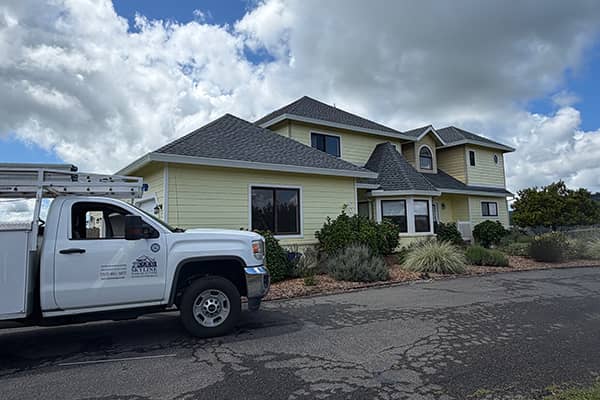
Home fire hardening begins with understanding your property’s vulnerabilities. The design, materials, maintenance, and surrounding landscape all play a role in wildfire resilience. Taking steps to address these areas can dramatically improve your home’s ability to withstand ember attacks, radiant heat, and direct flame contact. Investing in these improvements now can mean the difference between a surviving home and significant loss during a wildfire event.
Utilizing Non-Combustible Materials for Maximum Fire Resilience
One of the foundational principles of fire hardening your home revolves around the use of non-combustible materials for key structural elements. Options such as metal roofing and cement siding create robust barriers that can resist the intense heat and flying embers characteristic of wildfires. Upgrading these areas significantly reduces the likelihood of ignition, particularly when compared to traditional materials like wood shakes or vinyl.
Another crucial feature is installing ember-resistant vents. These specialized vents prevent burning embers from entering attics or crawl spaces, where they could potentially ignite hidden fires. By focusing on the roof, siding, and attic openings with non-combustible, ember-resistant solutions, you fortify your home’s defensive perimeter and decrease its susceptibility to wildfire damage.
Critical Zones: Managing the Five-Foot Buffer and Vulnerable Openings
Eliminating combustible materials within five feet of your structure is one of the most effective home fire hardening tactics. This area, often called the “immediate zone,” acts as a potential firebreak, deterring flames from leaping directly onto your house. Removing wooden planters, mulch, stacked firewood, and other flammable items in this zone is a simple step with outsized impact, providing essential protection right where it’s needed most.
Attention should also be paid to windows and garage doors, both of which are common entry points for heat and embers. Using double-paned, tempered glass windows increases resistance to heat, decreasing the chances of the glass breaking during intense temperatures. Garage doors should be properly sealed with weatherstripping to close gaps where embers could otherwise find a path inside your home.
Defensible Space: Landscaping and Maintenance for Wildfire Defense
Effective home fire hardening relies on defensible space practices—maintaining a safe, 100-foot buffer zone around your home. This space should be free of flammable vegetation and debris, acting as an additional barrier to slow or divert the advance of wildfire. Regular maintenance involves removing dry leaves, dead branches, and clutter, particularly from roofs, gutters, and beneath decks or porches.
Fire-resistant landscaping materials, such as gravel, stone, or well-irrigated plants, should be used instead of combustible mulch or dense shrubs near the home. Spacing plants, trees, and shrubs appropriately reduces the likelihood that fire can “ladder” upwards and spread from plant to structure. Together, defensible space and fire-resistant landscaping amplify the effectiveness of your wildfire defense strategy.
The Growing Role of Fire Hardening in Insurance Coverage
As wildfire risk increases throughout many regions, insurance companies are more likely to require homeowners to implement fire-hardening strategies and prove ongoing maintenance of defensible space. Meeting these requirements is not only critical for ongoing insurance eligibility but also for ensuring your home is as resilient as possible. A thorough approach to fire hardening your home can help you avoid loss of coverage, reduce premiums, and, most importantly, increase your property’s odds of surviving a wildfire event.
By working with knowledgeable professionals, you can develop and execute a custom plan for fire hardening your home. From replacing outdated materials to reimagining landscaping and sealing vulnerable areas, these strategic improvements form a cohesive wildfire defense strategy that insurance providers value and that gives homeowners priceless peace of mind.
Contact Us Today to Start Your Home Fire Hardening Project
Take control of your property’s wildfire resilience and satisfy evolving insurance requirements by investing in comprehensive home fire hardening services. Contact Skyline Seamless Gutters at (707) 892-3877 or email skyline.seamless@outlook.com for a detailed consultation. Our experienced team is ready to assess your home, recommend tailored fire-hardening solutions, and guide you through every step to ensure lasting protection and peace of mind.